Erectile Dysfunction in Men: Causes, Symptoms & Treatment | Dr. Hisham Hyder
By Dr Hisham Hyder CT - Published
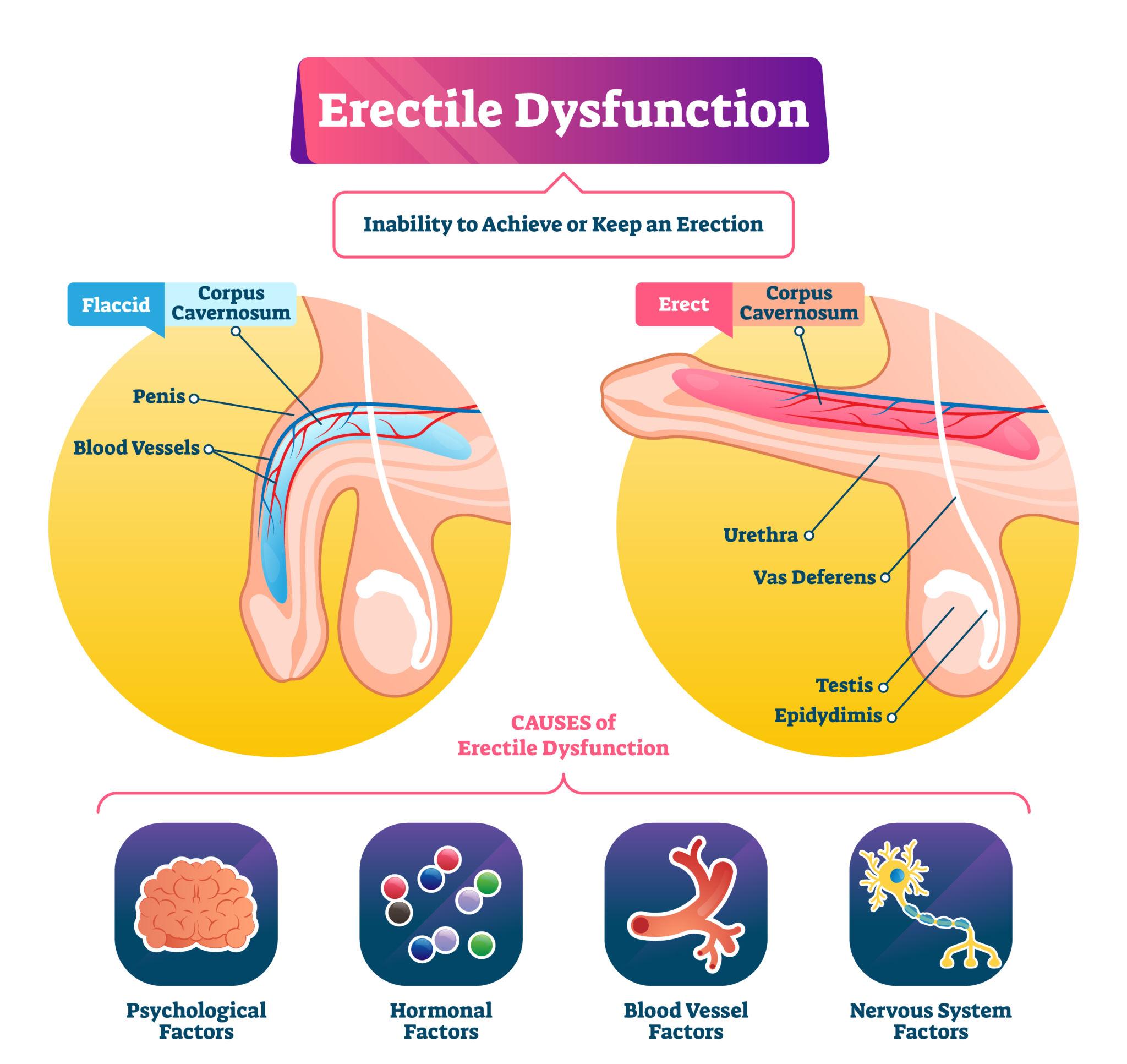
Erectile Dysfunction in Men: Causes, Symptoms, and Treatment Options
If you've been struggling to get or keep an erection firm enough for sex, you're not alone — and you're not broken. Erectile dysfunction (ED) is one of the most common concerns men bring to a urologist's clinic, yet it remains one of the most silently suffered. Most men wait months, sometimes years, before speaking to a doctor about it, often out of embarrassment.
As a urologist and sexologist, I want to reassure you of something important first: ED is treatable in the vast majority of cases. This article will walk you through what erectile dysfunction actually is, why it happens, and what your realistic options are.
What Is Erectile Dysfunction?
Erectile dysfunction is the consistent or repeated inability to achieve or maintain an erection sufficient for satisfactory sexual intercourse. A one-off episode — after a stressful day, too much alcohol, or exhaustion — is normal and not a cause for concern. It's when this becomes a regular pattern over a few weeks or months that it's worth evaluating.
ED can affect men at any age, but it becomes more common with increasing age, particularly after 40.
Common Causes of Erectile Dysfunction
An erection depends on healthy blood flow, nerve function, hormone levels, and mental state all working together. A problem in any one of these areas can lead to ED. Broadly, causes fall into two categories:
Physical (Organic) Causes
Diabetes — one of the leading causes, due to nerve and blood vessel damage
High blood pressure and heart disease — restrict blood flow to the penis
High cholesterol — narrows blood vessels (atherosclerosis)
Obesity and low physical activity
Low testosterone levels
Smoking and excessive alcohol use
Certain medications (for blood pressure, depression, or prostate conditions)
Prostate or pelvic surgery
Hormonal imbalances or thyroid disorders
Psychological Causes
Performance anxiety
Stress from work, finances, or relationships
Depression and anxiety disorders
Relationship conflicts or poor communication with a partner
Guilt or misinformation around sex, often from a young age
In many men, especially younger patients, ED has a strong psychological component. In older men, physical causes tend to play a bigger role — often several factors overlap.
Symptoms to Watch For
You may be experiencing ED if you notice:
Difficulty getting an erection, even with adequate stimulation
Difficulty maintaining an erection long enough for intercourse
Reduced sexual desire alongside erection difficulties
Erections that are firm enough for masturbation but not for penetrative sex (often a sign of a psychological component)
Is Erectile Dysfunction a Warning Sign of Something Bigger?
Yes — and this is something men often don't realise. Because the blood vessels supplying the penis are smaller than those supplying the heart, ED can be an early warning sign of cardiovascular disease, sometimes appearing years before a heart attack or stroke. If you're experiencing ED, it's genuinely worth getting your heart health, blood sugar, and cholesterol checked, not just your sexual function.
When Should You See a Doctor?
You should consult a urologist or sexologist if:
ED has been happening for more than a few weeks and is affecting your confidence or relationship
You have diabetes, high BP, or heart disease along with ED
You notice a sudden drop in sexual desire
Over-the-counter remedies or online "quick fixes" haven't helped
There is no need to feel embarrassed. A good clinical evaluation usually involves a detailed history, a physical examination, and basic blood tests (blood sugar, lipid profile, hormone levels including testosterone) to identify the underlying cause.
Treatment Options for Erectile Dysfunction
Treatment is not one-size-fits-all — it depends on the underlying cause, your age, and your overall health. Options generally include:
Lifestyle modification — weight management, regular exercise, quitting smoking, reducing alcohol, and better sleep. These alone can significantly improve mild ED.
Managing underlying conditions — controlling diabetes, blood pressure, and cholesterol often improves erectile function.
Counselling or sex therapy — particularly helpful when anxiety, stress, or relationship issues are contributing factors.
Medical treatment — tailored to the individual, based on the cause identified during evaluation. As a homeopathic physician, I also work with constitutional homeopathic treatment aimed at addressing the underlying physical and psychological triggers, alongside lifestyle correction — many patients prefer this as a gentler, side-effect-conscious approach.
Addressing the partner relationship — sexual health is rarely just an individual issue; involving your partner in the conversation, where comfortable, often improves outcomes.
Myths About Erectile Dysfunction
❌ "ED means I'm no longer a man." — False. ED is a medical condition, not a reflection of masculinity.
❌ "It only happens to older men." — False. Stress, lifestyle, and psychological factors mean younger men are increasingly affected too.
❌ "Nothing can be done about it." — False. Most cases improve significantly with the right treatment.
❌ "It will resolve on its own." — Sometimes true for occasional episodes, but persistent ED needs evaluation.
Final Thoughts
Erectile dysfunction is common, treatable, and nothing to be ashamed of. The earlier you seek help, the easier it usually is to treat — and often, it opens the door to catching other health issues (like diabetes or heart disease) early too.
If you're experiencing symptoms of ED, I encourage you to have an open, judgment-free consultation rather than searching for answers alone online.
About the Author Dr. Hisham Hyder CT is a Urologist and Sexologist, and the Founder of Dr. Hisham's Healthcare, with clinics in Nadakkavu, Calicut, and Wandoor, Malappuram. He specialises in male sexual health, urological disorders, and integrative homeopathic treatment approaches.
📍 Book a confidential consultation at Dr. Hisham's Healthcare, Calicut or Wandoor.