Migraine tips and management by homeopathy
By Dr Hisham Hyder CT - Published
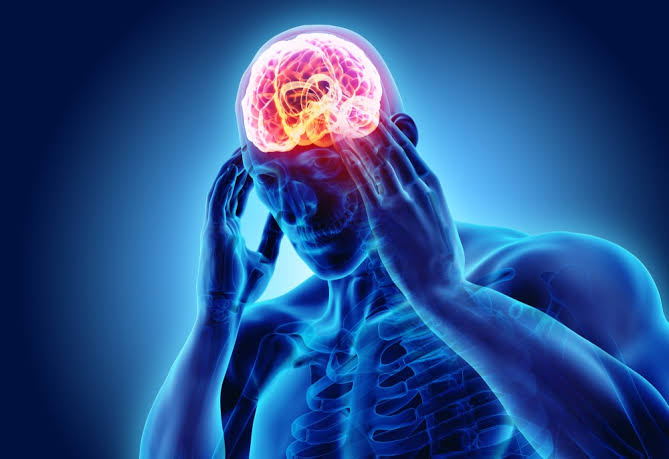
What is a migraine?
A migraine is a recurring headache, usually throbbing and often on one side of the head. It commonly comes with nausea or vomiting and sensitivity to light, sound or smells. Some people first notice an "aura" — flashing lights or blurred vision — before the pain starts. Attacks can last from a few hours to a few days.
Common triggers
Stress, worry, or the "let-down" after a stressful period
Irregular or too little sleep
Skipped meals and dehydration — very common in hot weather
Hormonal changes around periods
Bright light, long screen time and strong smells
Sudden changes in caffeine, and certain foods (these differ from person to person)
Heat, humidity and changes in weather
Keep a headache diary
Note the date, time, how long the headache lasted, what you ate, how you slept, and anything stressful that day. After a few weeks, a pattern usually appears — and it helps your doctor choose the right treatment.
How homeopathy approaches migraine
Homeopathic treatment looks at your individual migraine pattern: which side, what the pain feels like, what brings it on, what eases it, and your overall health. A remedy is chosen for you as an individual, with the aim of reducing how often the attacks come and how severe they are. Many people notice fewer and milder episodes over a few months of consistent treatment. If you already take medicines for migraine, do not stop them suddenly on your own — any change is planned gradually with your doctor. See our migraine treatment page.
Go to a hospital urgently if
You have a sudden, "worst ever" headache
The headache comes with fever and a stiff neck
You have weakness, numbness, difficulty speaking, confusion or double vision
It follows a head injury
New, unusual headaches begin after the age of 50
These can signal a condition that needs immediate medical attention.
This article is general health information and not a substitute for medical advice. If you have severe symptoms or a medical emergency, go to the nearest hospital.